Low Dose Naltrexone (LDN): A Complete Guide for Patients and Providers
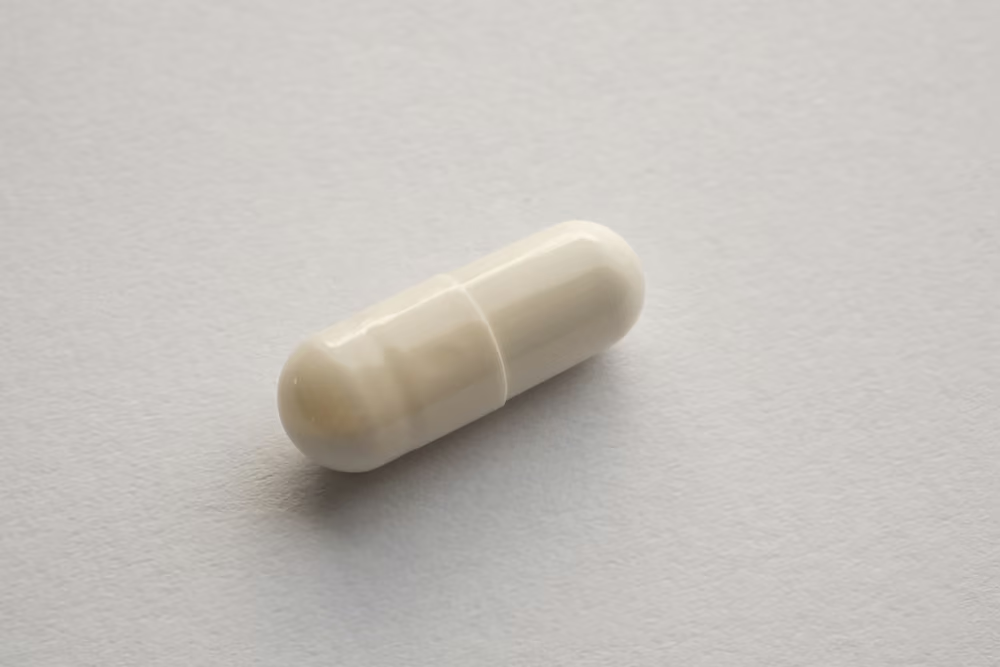

Low dose naltrexone is one of the most-discussed medications in functional medicine, neurology, and chronic disease management right now — and one of the hardest to fill at a standard pharmacy. That's because LDN doesn't exist as a commercially manufactured product. Every prescription has to be compounded from scratch, at the dose your provider specifies, by a licensed compounding pharmacy.
That's where we come in. At The Chemist Shop, we compound LDN daily for patients and providers across New York, New Jersey, and our other licensed states. We put this guide together because we talk to patients and prescribers about LDN constantly, and we've seen what happens when people go into it without good information — or can't find a pharmacy that takes it seriously.
This is a practical, straight-forward resource. By the time you finish reading, you'll understand what LDN is, how it works, what to realistically expect, and how to get it filled correctly.
What Is Low Dose Naltrexone?
Naltrexone was originally developed and FDA-approved at 50mg for the management of opioid use disorder and alcohol dependence. At that standard dose, it works by blocking opioid receptors in the brain, which reduces the rewarding effects of opioids and alcohol.
Low dose naltrexone — typically prescribed in the range of 1.5mg to 4.5mg — is a different application of the same molecule. At these much smaller doses, the receptor interaction is brief rather than sustained, and the physiological response appears to be fundamentally different. LDN is prescribed off-label by licensed healthcare providers for a range of conditions involving immune dysregulation, chronic inflammation, and central nervous system dysfunction.
Because no pharmaceutical manufacturer produces naltrexone at 1.5mg, 3mg, or 4.5mg, every LDN prescription must be prepared by a compounding pharmacy. This isn't a workaround — it's the only way to get it. Choosing a PCAB-accredited compounding pharmacy matters here, because the quality and consistency of the compounded preparation directly affects how your medication performs.
How Does LDN Work?
The honest answer is that researchers are still working out the full picture. What the current evidence suggests involves two primary mechanisms.
Opioid receptor modulation. At low doses, naltrexone transiently blocks opioid receptors for a few hours — typically overnight, when most patients take it. The theory is that this brief blockade prompts the body to upregulate its own endorphin production in response. The result is an endorphin rebound: elevated natural opioid activity during the hours after the medication clears. This may help explain reported improvements in mood, pain perception, and immune function.
Microglial modulation and anti-inflammatory effects. Research suggests that LDN may act on microglial cells — the immune cells of the central nervous system — helping to reduce neuroinflammation. Studies indicate that LDN may inhibit toll-like receptor 4 (TLR4) signaling, which is involved in inflammatory cascades associated with several chronic conditions. This is the mechanism most relevant to the question of whether LDN may help reduce inflammation — and the answer, based on emerging research, is that it may, in certain patient populations, as part of a provider-supervised treatment plan.
This is an area of active research. What we can say is that the mechanistic rationale is solid enough that a growing number of specialists — neurologists, rheumatologists, functional medicine physicians, pain specialists — are incorporating LDN into their prescribing.
What Conditions Is LDN Prescribed For?
LDN is prescribed off-label by licensed healthcare providers across a wide range of conditions. "Off-label" simply means the FDA has not approved naltrexone at these doses for these specific conditions — it does not mean the prescribing is unusual or unsupported. Off-label prescribing is legal, common, and well within a provider's clinical judgment.
Conditions for which LDN has been studied or for which some providers prescribe it include:
- Multiple sclerosis (MS): Among the most studied applications for LDN. Research suggests potential benefits in quality of life and fatigue in MS patients.
- Fibromyalgia: Multiple clinical studies have examined LDN for fibromyalgia, with some finding reductions in reported pain scores.
- Crohn's disease and inflammatory bowel conditions: Early studies, including a notable pediatric trial, explored LDN's potential anti-inflammatory effect in Crohn's disease.
- Lupus and other autoimmune conditions: Providers in rheumatology and integrative medicine settings prescribe LDN for various autoimmune presentations.
- Chronic pain: LDN is used by pain management specialists as an adjunctive option for patients with centrally sensitized pain syndromes.
- Dermatological conditions: Research has examined LDN for psoriasis and eczema, with some studies suggesting anti-inflammatory skin benefits.
- Anxiety and mood: Some providers explore LDN for anxiety, based on the endorphin modulation mechanism. Evidence is early; if you're considering this, a thorough conversation with your prescriber is essential.
- Long COVID and fatigue syndromes: LDN has attracted interest from providers treating post-viral fatigue and Long COVID, given its potential effects on neuroinflammation and immune regulation.
Important: This list reflects conditions that have been studied or that some providers prescribe LDN for — it is not a claim that LDN treats or cures any of these conditions. Response varies significantly between individuals. Your prescriber is the right person to evaluate whether LDN is appropriate for your specific situation.
LDN Dosing — What to Expect
Most providers follow a low-and-slow titration approach. A typical starting dose is 1.5mg, taken at bedtime. After a period of a few weeks — usually two to four — the dose is increased incrementally, often in 1.5mg steps, toward a common maintenance dose of naltrexone 4.5mg.
The reason for starting low is straightforward: it gives your body time to adjust and minimizes the likelihood of early side effects like sleep disruption. Some patients respond well at lower doses and stay there. Others need the full 4.5mg. This is why compounding matters — your pharmacy can prepare exactly the dose your provider prescribes, whether that's 1.5mg, 2mg, 3mg, or 4.5mg. You're not forced into a commercially available increment that may not match your clinical needs.
Your prescriber will guide your titration based on your response and tolerability. Don't adjust your dose without talking to them first.
LDN Side Effects — What's Normal and What's Not
LDN is generally considered well-tolerated. The most commonly reported side effects, particularly during the first few weeks of treatment, are:
- Vivid or unusual dreams — the most frequently reported effect, especially when taken at bedtime. For most patients, this resolves within two to four weeks.
- Mild sleep disruption — related to the above. Some patients find switching to morning dosing resolves this.
- Nausea — less common; typically mild and transient.
- Headache or fatigue — reported by some patients during the initial adjustment period.
These effects are most common during dose titration and often improve as your body adjusts. If side effects are persistent or bothersome, contact your prescriber before making any changes to your dose or timing.
A critical safety note: LDN should not be taken with opioid medications. Because naltrexone blocks opioid receptors, taking it alongside opioid-based medications — including certain pain medications and cough suppressants — can precipitate withdrawal and is medically contraindicated. Make sure your prescriber has a complete picture of all medications you take.
How Long Does LDN Take to Work?
This is one of the most common questions we hear, and the honest answer is: it varies. Some patients report noticeable changes within four to six weeks. Others describe a more gradual shift over two to three months. And for some patients, LDN doesn't produce the expected response at all.
Setting realistic expectations upfront is part of responsible LDN prescribing. Your provider should help you establish baseline symptoms before starting so you have something concrete to compare against. Keeping a simple symptom journal during the first few months can be useful.
If you've been on a stable dose for three months without meaningful response, that's a conversation to have with your prescriber. LDN is not a one-size-fits-all solution, and your provider may need to reassess whether it's the right fit or whether dose adjustments are warranted.
How to Take LDN — Timing and Administration
When to take it. Most providers recommend bedtime dosing, timed to the body's natural endorphin cycle. However, for patients who experience significant sleep disruption or vivid dreams, morning dosing is a reasonable alternative — and some providers prefer it as a first-line recommendation. There isn't a universal right answer; follow your prescriber's guidance.
Dosage form. LDN is most commonly dispensed as a compounded capsule. Some patients — including those with swallowing difficulties or those who need very precise micro-titration — may be prescribed a liquid formulation, which allows for more granular dose adjustments.
What to avoid. Do not take LDN alongside opioid medications (see side effects note above). Also flag for your prescriber if you're taking any immunosuppressant medications, as there may be interactions to consider.
Who Can Prescribe Low Dose Naltrexone?
Any licensed prescriber — physician (MD, DO), nurse practitioner (NP), or physician assistant (PA) — can prescribe LDN off-label. You don't need to see a specialist, though many LDN prescriptions come from:
- Neurologists (particularly for MS and neurological conditions)
- Rheumatologists (for autoimmune disease)
- Functional and integrative medicine physicians
- Pain management specialists
- Internal medicine and primary care providers familiar with LDN
If you're a patient who's read about LDN and wants to explore whether it's appropriate for you, the right starting point is a conversation with your current provider. If they're not familiar with LDN, that's a reasonable opening to share resources and ask them to research it. Many providers are open to LDN once they've reviewed the evidence.
If you don't yet have a provider who prescribes LDN, contact us — we can help connect you with prescribers in our network. The Chemist Shop works with providers across New York, New Jersey, Florida, Connecticut, Pennsylvania, Arizona, Georgia, and New Hampshire.
Why LDN Must Be Compounded — And Why the Pharmacy You Choose Matters
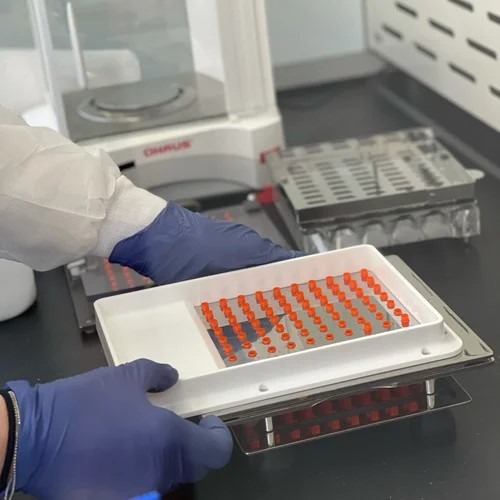
There is no FDA-approved, commercially manufactured naltrexone product at low doses. Full stop. If you have an LDN prescription, a compounding pharmacy is the only place to fill it.
That means the quality of your medication depends entirely on the pharmacy compounding it — the ingredients they source, the equipment they use, their quality control processes, and whether they're operating under independent accreditation.
Here's what to look for in an LDN compounding pharmacy:
- PCAB Accreditation — the Pharmacy Compounding Accreditation Board (PCAB) sets the highest voluntary standard for compounding quality. Not all pharmacies seek it because it's rigorous and requires ongoing compliance.
- Sterile compounding capability — relevant if your provider prescribes an injectable or other sterile LDN formulation.
- Ingredient sourcing — ask whether the pharmacy uses USP-grade active pharmaceutical ingredients (APIs) with documented certificates of analysis.
- Licensed in your state — your pharmacy must hold an active license in the state where you're located.
The Chemist Shop is PCAB-accredited and ACHC-accredited, holds sterile compounding capability in-house, and sources the highest-quality pharmaceutical ingredients for every preparation. We're licensed to serve patients in NY, NJ, FL, CT, PA, AZ, GA, and NH, with free local delivery across the five boroughs and overnight shipping available.
For providers: we offer a dedicated prescriber partnership program, prior authorization support, patient counseling, and direct pharmacist access. If you're looking for a reliable LDN compounding partner, reach out to us.
Frequently Asked Questions About Low Dose Naltrexone
What is low dose naltrexone?
Low dose naltrexone (LDN) refers to naltrexone prescribed at 1.5mg to 4.5mg — far below the standard 50mg dose used for opioid and alcohol use disorder. At these lower doses, it is prescribed off-label by licensed healthcare providers for conditions involving immune dysregulation, chronic inflammation, and central nervous system dysfunction. Because no commercial low-dose product exists, LDN must be prepared by a compounding pharmacy.
How long does LDN take to work?
Response times vary. Some patients notice changes within four to six weeks; others describe a more gradual shift over two to three months. Setting a baseline before starting and tracking symptoms over time helps you and your provider evaluate your response. If there's no meaningful improvement after three months on a stable dose, talk to your prescriber.
What are the side effects of low dose naltrexone?
The most common side effects are vivid dreams and mild sleep disruption, particularly during the first few weeks. Nausea, headache, and fatigue are reported less frequently. Most side effects are temporary and improve as your body adjusts. LDN should not be taken with opioid medications — flag all current medications with your prescriber before starting.
Can I take low dose naltrexone in the morning?
Yes. While bedtime is the most common recommendation, morning dosing is a reasonable alternative for patients who experience sleep disruption or vivid dreams. Some providers prefer morning dosing from the start. Follow your prescriber's guidance — and if sleep issues are affecting you, mention it rather than stopping the medication on your own.
Does LDN reduce inflammation?
Research suggests that LDN may help modulate inflammatory pathways, particularly through its effects on microglial cells in the central nervous system and potential TLR4 inhibition. Studies indicate this anti-inflammatory mechanism may be relevant for certain autoimmune and chronic pain conditions. This is an active area of research; whether it applies to your specific condition is a question for your healthcare provider.
Who can prescribe low dose naltrexone?
Any licensed prescriber — MD, DO, NP, or PA — can prescribe LDN off-label. It's commonly prescribed by neurologists, rheumatologists, functional medicine physicians, pain management specialists, and integrative health providers. If your current provider isn't familiar with LDN, sharing peer-reviewed research and asking them to evaluate it is a reasonable approach.
Start Your LDN Prescription at The Chemist Shop
If you have an LDN prescription ready to fill, or if you're a provider looking for a reliable, PCAB-accredited compounding pharmacy to partner with, we're ready to help.
We compound LDN in-house from the highest-quality pharmaceutical ingredients, dispense at the exact dose your provider prescribes, and offer free delivery across the five boroughs and overnight shipping to all licensed states. Our pharmacists are available to answer questions — for patients and for prescribers.
Medicine is not one size fits all. Neither is the pharmacy that fills it.
Contact us to get started.
This content is for informational purposes only and does not constitute medical advice. Compounded medications, including low dose naltrexone, are customized preparations made by a licensed pharmacist based on a prescription from your healthcare provider. Compounded LDN is not FDA-approved. The effectiveness and safety of compounded medications have not been evaluated by the FDA in the same manner as commercially manufactured drugs. Always consult your healthcare provider before starting, stopping, or changing any medication.