What a Dermatology Compounding Pharmacy Does (and What to Look for in One)

Most skin medications are formulated for the average patient. But in dermatology, average rarely cuts it. Skin concerns vary by type, tone, sensitivity, and history — and a commercial cream designed for the broadest possible population isn't always the right tool for the patient sitting in your exam room.
That's where a dermatology compounding pharmacy comes in. This article explains what dermatology compounding is, which conditions it's most commonly used for, what formulations are available, and what separates a pharmacy worth partnering with from one that isn't. If you're a provider evaluating a compounding partner — or a patient whose prescription can't be filled off the shelf — here's what you need to know.
What Is a Dermatology Compounding Pharmacy?
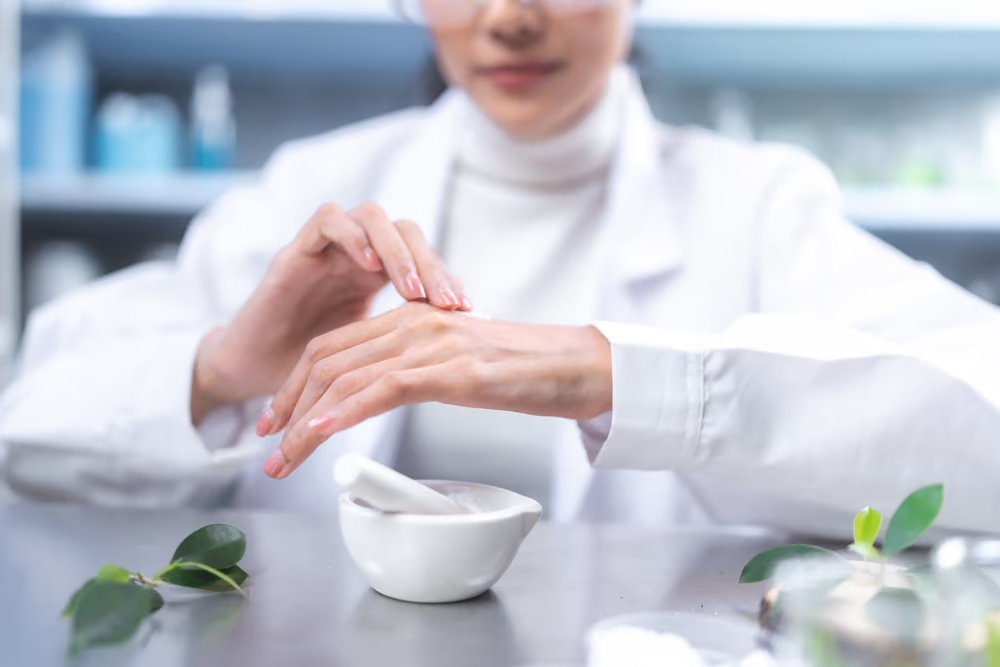
A dermatology compounding pharmacy prepares customized topical and skin-focused medications based on a patient-specific prescription from a licensed provider. Instead of dispensing a commercially manufactured product, the pharmacist compounds the medication in-house — adjusting the active ingredients, concentration, base, and delivery format to match what the prescriber ordered for that individual patient.
This is different from a retail or chain pharmacy in a fundamental way. Retail pharmacies dispense what manufacturers produce. A compounding pharmacy builds the prescription from scratch, using pharmaceutical-grade ingredients, to create something that doesn't exist on a store shelf.
Under the 503A model — which governs patient-specific compounding — every compounded medication is prepared pursuant to a valid prescription. There's no inventory of pre-made compounds. Each formulation is made for a specific patient, as directed by their provider.
Common Conditions Addressed with Compounded Dermatology Medications
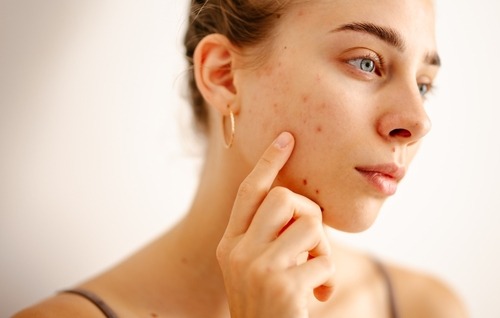
Compounded dermatology medications are prescribed across a wide range of conditions where commercially available options fall short — whether because of formulation limitations, allergen concerns, discontinued products, or the need for a custom concentration. Providers prescribe compounded preparations to address conditions including:
- Acne and acne-related hyperpigmentation — Custom combinations of actives at concentrations tailored to the patient's skin type and severity, as prescribed
- Melasma and hyperpigmentation — Formulations addressing skin tone and texture in patients who haven't responded to standard therapies, prepared as prescribed by their dermatologist
- Rosacea — Custom topical preparations for patients with sensitivities to preservatives or inactive ingredients in commercial options
- Eczema and psoriasis — Compounded formulations in bases suited to sensitive or compromised skin barriers
- Wound care and post-procedure healing — Specialty preparations to support recovery after dermatologic or aesthetic procedures, as directed by the treating provider
- Hair loss — Scalp-applied compounded formulations as prescribed for alopecia or thinning concerns
- Pediatric dermatology — Adjusted concentrations for pediatric patients, including preservative-free options, when commercially available strengths aren't appropriate
In each case, the medication is prepared pursuant to a valid prescription from the patient's provider. Compounding does not replace a clinical evaluation — it executes the prescriber's treatment plan when a commercial product can't.
Formulations a Dermatology Compounding Pharmacy Can Prepare
One of the practical advantages of compounding for dermatology is flexibility in formulation. A skilled compounding pharmacy can prepare topical medications in formats that match the therapeutic need and patient preference, including:
- Creams, gels, foams, and ointments — Different vehicles affect how an active ingredient penetrates the skin and how well patients tolerate the product
- Preservative-free and hypoallergenic bases — For patients with sensitivities to common excipients found in commercial formulations
- Combination formulations — Multiple active ingredients in a single preparation, when individually combining commercial products isn't practical or available
- Custom concentrations — Higher or lower than what's commercially manufactured, as determined by the prescribing provider
- Specialty delivery bases — Including transdermal gels, silicone-based preparations, or liposomal carriers, where clinically appropriate and as prescribed
This range of formulation options is why dermatologists, aestheticians, and primary care providers turn to compounding pharmacies for patient-specific cases — particularly when commercially available products are discontinued, cause adverse reactions, or simply don't achieve the desired clinical result.
Why Accreditation Matters for Compounded Skin Medications
Not all compounding pharmacies operate at the same standard. For dermatology compounds, quality of ingredients and compounding practice directly affects therapeutic consistency — and patient safety.
PCAB accreditation (Pharmacy Compounding Accreditation Board) is the most recognized quality credential in the compounding industry. A PCAB-accredited pharmacy has undergone independent inspection of its facilities, processes, ingredient sourcing, and quality controls. It's a meaningful signal that the pharmacy compounds to a higher standard than state licensure alone requires.
Sterile compounding capability is relevant for certain dermatology and aesthetics applications — particularly preparations used near or around the eyes, in open wounds, or in post-procedure protocols. A pharmacy with sterile compounding capability and the appropriate cleanroom infrastructure can prepare these formulations to the standards those applications require.
Ingredient quality matters, too. USP-grade ingredients sourced from reputable suppliers ensure the active pharmaceutical ingredients in a compound are what the label says they are, at the potency the prescriber intended. This is non-negotiable for a dermatology compound being applied to compromised or sensitive skin.
It's also worth clarifying: compounded medications are not FDA approved in the same way commercially manufactured drugs are. They are, however, prepared by licensed pharmacists in compliance with state and federal compounding regulations. Choosing a pharmacy that is PCAB accredited and operating in an FDA-registered facility provides an additional layer of assurance for providers and patients alike.
For Providers: Partnering with a Dermatology Compounding Pharmacy
If you're a dermatologist, aesthetician, NP, or GP looking to incorporate compounded medications into your practice, the workflow is more straightforward than many assume.
Here's how it typically works:
- Write the prescription — as you would for any other medication, specifying the active ingredient(s), concentration, base/vehicle, quantity, and directions for use
- Send it to the compounding pharmacy — by fax, e-prescribe, or phone, depending on the pharmacy's intake process
- The pharmacist reviews and compounds — a licensed pharmacist prepares the medication per your prescription and flags any clinical questions before dispensing
- Delivery or pickup — the compounded medication is dispensed directly to the patient
A good compounding pharmacy partner also provides:
- Prior authorization support — helping your office navigate insurance documentation when applicable
- Direct pharmacist access — so you can discuss formulation questions, base selection, or clinical considerations with someone who knows your patient's case
- Refill management — proactive outreach so patients don't run out of their medication
- Patient counseling — your patients speak with a pharmacist who can answer questions about their compound and how to use it correctly
For dermatology practices managing patients with complex or sensitive skin concerns, having a compounding pharmacy that functions as a genuine partner — not just a dispensary — makes a difference in patient outcomes and practice efficiency.
Serving New York and Beyond: The Chemist Shop's Dermatology Compounding
The Chemist Shop is a PCAB-accredited specialty and sterile compounding pharmacy based in Long Island City, Queens. We compound dermatology formulations in-house using the highest-quality pharmaceutical-grade ingredients — including preservative-free and hypoallergenic options — as prescribed by your patients' providers.
We're licensed to compound and ship to patients in New York, New Jersey, Connecticut, Pennsylvania, Florida, Arizona, Georgia, and New Hampshire, with free local delivery across the five boroughs and overnight shipping options for time-sensitive prescriptions.
Our accreditations include:
- PCAB Accredited — independently verified compounding quality
- ACHC Accredited
- PCCA Member — access to premium compounding ingredients and formulation resources
- LegitScript Certified
- Sterile compounding capable — for preparations that require a cleanroom environment
For providers, we offer dedicated patient portal access, prior authorization support, direct pharmacist consultation, and refill reminders so your patients stay on track. We treat your patients the way we'd want our own treated.
If you're a provider looking to partner with a dermatology compounding pharmacy in the New York tri-state area — or a patient whose current pharmacy can't consistently fill your prescription — we'd like to hear from you.
Contact Us to speak with a pharmacist or learn more about partnering with The Chemist Shop.
Frequently Asked Questions
What does a dermatology compounding pharmacy do?
A dermatology compounding pharmacy prepares customized skin medications based on a patient-specific prescription from a licensed provider. Instead of dispensing a commercially manufactured product, the pharmacist compounds the medication in-house — adjusting active ingredients, concentration, and base to match what the prescriber ordered for that individual patient.
What skin conditions are commonly addressed with compounded medications?
Providers prescribe compounded dermatology preparations for conditions including acne, acne-related hyperpigmentation, melasma, rosacea, eczema, psoriasis, hair loss, wound care, and post-procedure healing. Compounding is particularly useful when commercial products are discontinued, cause reactions due to preservatives or inactive ingredients, or don't come in the concentration a patient needs.
What's the difference between a compounding pharmacy and a regular pharmacy for dermatology?
A retail pharmacy dispenses commercially manufactured medications. A compounding pharmacy builds the prescription from scratch — allowing the pharmacist to customize the formulation, concentration, and base for a specific patient's needs. For dermatology, this means combinations, concentrations, and preservative-free bases that simply don't exist as commercial products.
Are compounded medications FDA approved?
Compounded medications are not FDA approved in the same manner as commercially manufactured drugs. They are prepared by licensed pharmacists pursuant to a valid patient-specific prescription and in compliance with federal and state compounding regulations. Choosing a PCAB-accredited pharmacy that operates in an FDA-registered facility provides additional quality assurance.
How do I send a prescription to The Chemist Shop?
Providers can send prescriptions to The Chemist Shop by fax at (718) 472-0909 or by contacting us directly at (718) 472-0900. We'll review the prescription, reach out with any clinical questions, and contact your patient directly with pickup or delivery information. For new provider partnerships, contact us to get set up in our system.
This content is for informational purposes only and does not constitute medical advice. Compounded medications are customized preparations made by a licensed pharmacist based on a prescription from your healthcare provider. Compounded medications are not FDA approved in the same manner as commercially manufactured drugs. Always consult your healthcare provider before starting, stopping, or changing any medication.