
IV Therapy
Vitamin replenishment

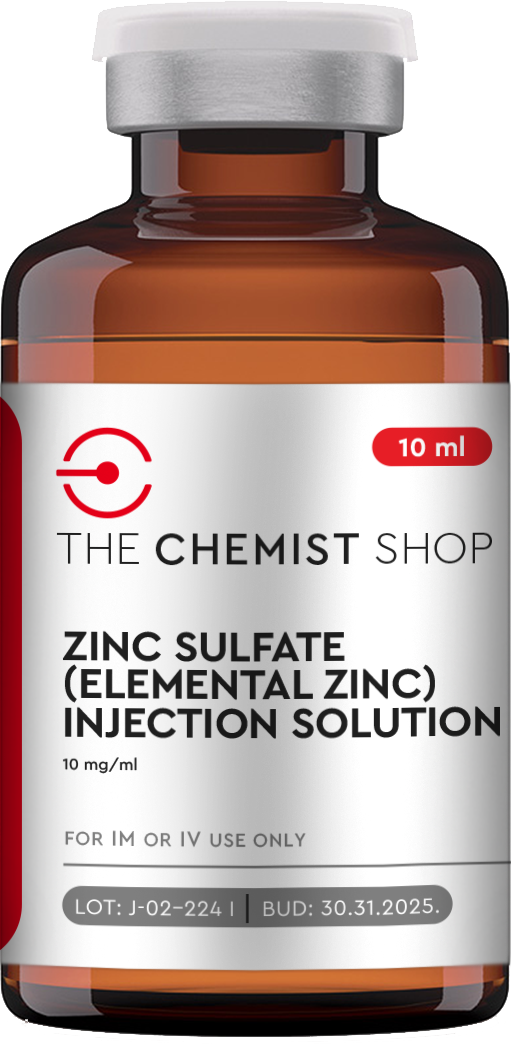
Zinc Sulfate

A a sterile preparation containing Zinc ulfate intended for intravenous or intramuscular administration, depending on formulation and prescriber direction. Zinc is an essential trace mineral involved in numerous enzymatic reactions, immune function, protein synthesis, wound healing, and cellular metabolism. Injectable zinc sulfate is commonly used in patients with documented zinc deficiency, patients receiving parenteral nutrition (TPN), malabsorption syndromes, severe burns, chronic wounds, gastrointestinal disorders, or increased metabolic demand.

Dosage Form:
Solution
Search for a Provider
Buy Now Pay Later

Pay in installments with 0% interest and no extra charges through Shop Pay

Easy Returns

Your exchange ships out as soon as you email us. Save 15% monthly delivery

Wordwide shipping

Receive your order an estimated 3-5 days after shipment
How it works

Zinc acts as a critical cofactor for over 300 enzymatic processes in the body. It supports:DNA and RNA synthesis, Immune cell function, Tissue repair and collagen formation, Antioxidant activity, Protein and carbohydrate metabolism, Hormonal and neurological function

Side Effects

Potential side effects of compounded zinc sulfate injectable may include: Injection site irritation or pain Nausea or gastrointestinal discomfort Metallic taste Headache Fever or chills Flushing Dizziness Less common but more serious adverse effects may include: Hypersensitivity reactions Electrolyte imbalance with excessive dosing Copper deficiency with prolonged high-dose zinc therapy Renal complications in susceptible patients Phlebitis with improper IV administration Rapid intravenous administration may increase the risk of adverse reactions and should generally be avoided. Monitoring of zinc levels and trace mineral balance is recommended during prolonged therapy.

Storage

Store refrigerated at 2–8°C (36–46°F). Do not freeze. Protect from light.

Pregnancy Information

Zinc sulfate was historically classified as Pregnancy Category A when used within recommended dietary allowances, indicating controlled studies did not demonstrate fetal risk. However, the FDA has replaced the traditional pregnancy category system with the Pregnancy and Lactation Labeling Rule (PLLR). Zinc requirements may increase during pregnancy, and supplementation may be appropriate in deficient patients. Excessive zinc administration should be avoided unless medically necessary and supervised by a healthcare provider. Use during pregnancy should be based on clinical assessment of maternal zinc status and nutritional requirements.

Drug Interactions

Zinc sulfate injectable may interact with the following medications or therapies: Copper supplements — prolonged zinc therapy may reduce copper absorption and lead to deficiency Tetracycline antibiotics — zinc may reduce absorption when oral products are used concurrently Fluoroquinolone antibiotics — potential chelation interaction with oral forms Penicillamine — reduced therapeutic effectiveness possible Iron supplements — competition for absorption pathways with oral administration Calcium-containing products — may interfere with zinc absorption orally Parenteral nutrition formulations — compatibility and precipitation considerations must be evaluated carefully during admixture preparation

Medicine made for the person taking it

Partner with us, or find a provider who prescribes through The Chemist Shop.

Find a provider

Lorem ipsum dolor sit amet, consectetur adipiscing elit, sed do eiusmod tempor incididunt ut labore et dolore magna aliqua

Thank you! Your submission has been received!
Oops! Something went wrong while submitting the form.